Write
1.25 million letters a year to owners of private British companies. No calls, no brokers, no intermediaries taking a slice of the introduction.
Private Capital · London · Established 1983
Investor
Four decades in the British market. More than £750 million transacted, upwards of seventy companies acquired, and a venture capital approach built on patience rather than pressure.

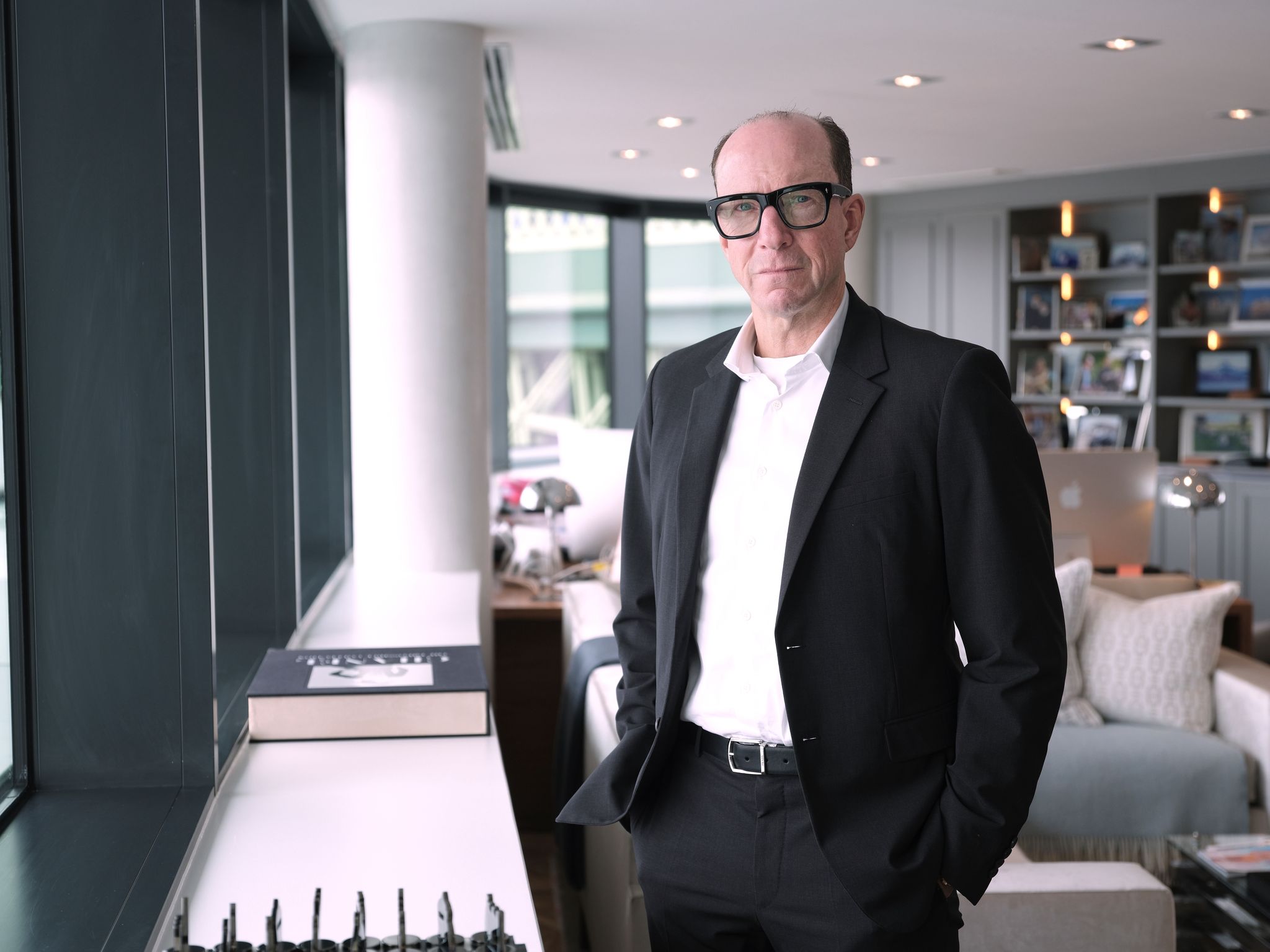
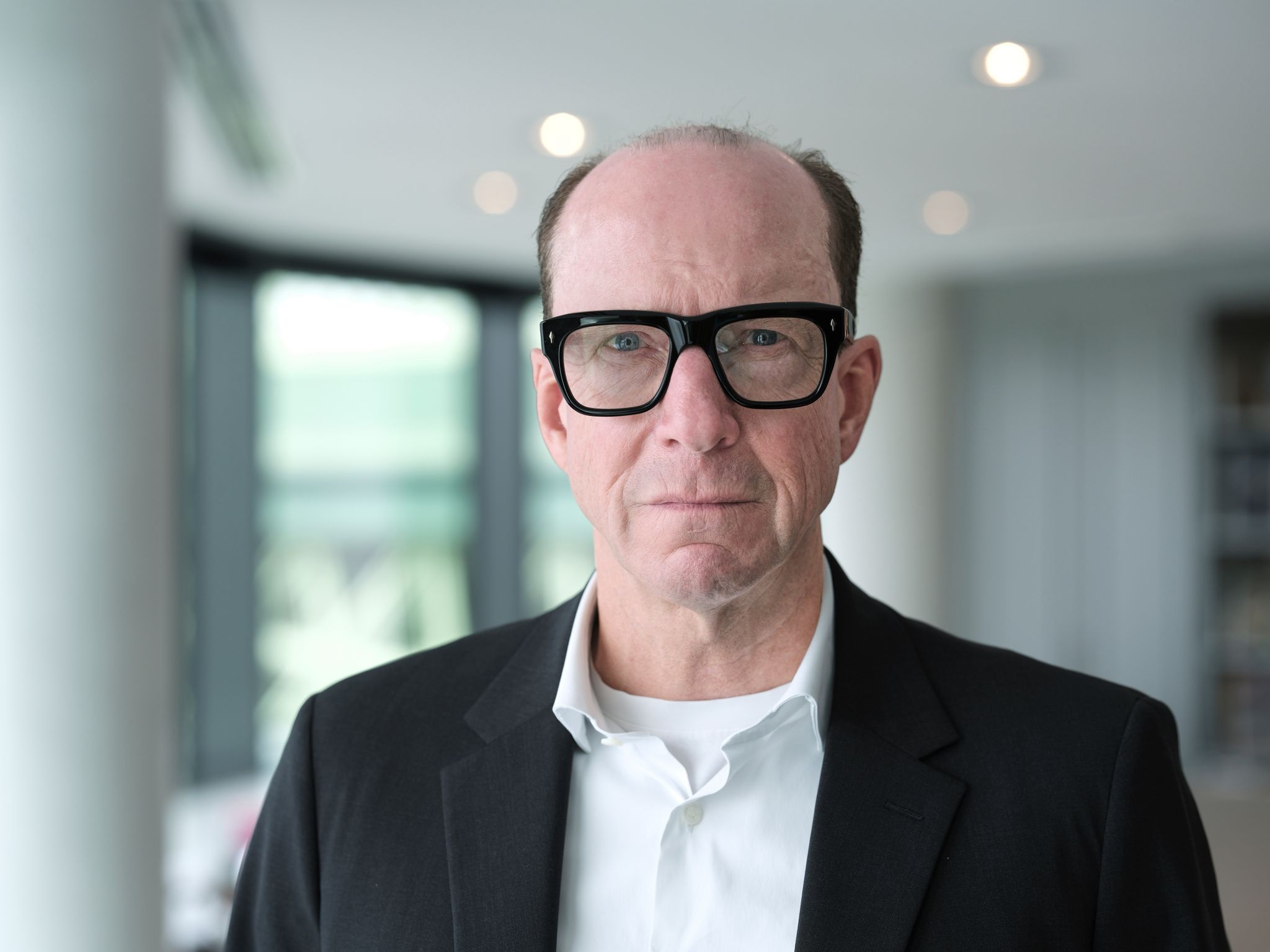
Mark Dyer invests where there is no market — private companies whose owners want out and have nowhere to go.
The Investment Thesis01 · The Investor
Mark Dyer began on an estate agency floor in West London in 1983 and was top of the board inside a year. By 1985 he had his own firm; by 1988 he had stopped selling other people's assets and started buying his own, launching a run of investment companies and funds.
Across the four decades since, he has led or structured over £750 million of transactions spanning commercial and residential holdings, corporate acquisitions and long-hold asset management — the majority of it capital that stays put rather than capital that flips.
The work today is narrower and older-fashioned than the numbers suggest. Letters go out, the office waits, and owners of private British companies get in touch when their own circumstances change. Nothing about the offer has moved in thirty years.
The interest is in companies that already make something, sell something and bank something. Revenue on the page beats a projection every time.
An approach posted in 2003 can still ring the office in 2026. Very little capital in Britain is willing to wait that long, which is exactly why the seam is open.
No warranty gauntlet, no due diligence theatre, in-house counsel and a deal that closes. Sellers value a completed transaction over a squeezed one.
02 · Venture Capital
Mark Dyer's venture capital does not run on a fund clock. No ten-year window, no limited partners waiting to be paid out, no forced exit written into the paperwork before the first meeting. The capital is permanent, and so is the intention.

Inherited firms are routinely priced at nothing by the family holding them, because it has only ever felt like a duty. That gap is the opportunity.
Shares in a private limited company have no exchange, no bid and no obvious buyer. Where there is no market, there is very little competition.
Skills, a name, a customer book built over generations. Beal & Sons, founded in 1856, is the kind of asset only ever damaged by being rushed.
03 · The Hacking Trust
Founded in 1997 alongside a circle of private investors, The Hacking Trust PLC is the entity through which Mark Dyer's acquisitions are made. It has grown to more than £750 million in assets across some seventy trading companies, including Beal & Sons Ltd, established in 1856.

1.25 million letters a year to owners of private British companies. No calls, no brokers, no intermediaries taking a slice of the introduction.
Owners reply when their own life changes — a retirement, an illness, an inheritance. Some replies arrive two decades after the envelope was posted.
Usually 50% or more of the equity, structured to suit the seller, drafted by an in-house legal team rather than an external firm billing by the week.
04 · Achievements

Joins an estate agency in West London and becomes its leading salesman inside the first year.
Sets up his own agency and takes it to two London offices within three years.
Stops broking other people's deals and launches his own investment companies and a series of residential and investment funds.
Starts writing directly to owners of private companies — the origination method still used three decades later.
Incorporates the Trust with a circle of private investors behind it.
Builds the portfolio through acquisition, taking in heritage names such as Beal & Sons, trading since 1856.
Recognised for a speech on the Murdoch / McKay kidnapping, the investigation he has led since 2021.
05 · Inventor & Innovator

Stingblade came out of irritation rather than a business plan: too many jellyfish encounters, no product that dealt with them. It is moulded from recycled fishing nets and made in England — an investor's instinct applied to a physical object.

Deal structures, holding vehicles, origination methods, consumer products — the same question sits under all of them. What is the better way to build this? Invention runs in the family; the Randolphs patented everything from the bonded edge to aviation fire-suppression systems.
06 · Selected Ventures

A jellyfish-sting protection device moulded from recycled fishing nets. British designed, British made, and a small argument for cleaner seas.

Founder of the house behind Straight Six, a craft spirit made with the same unhurried standards applied to everything else.

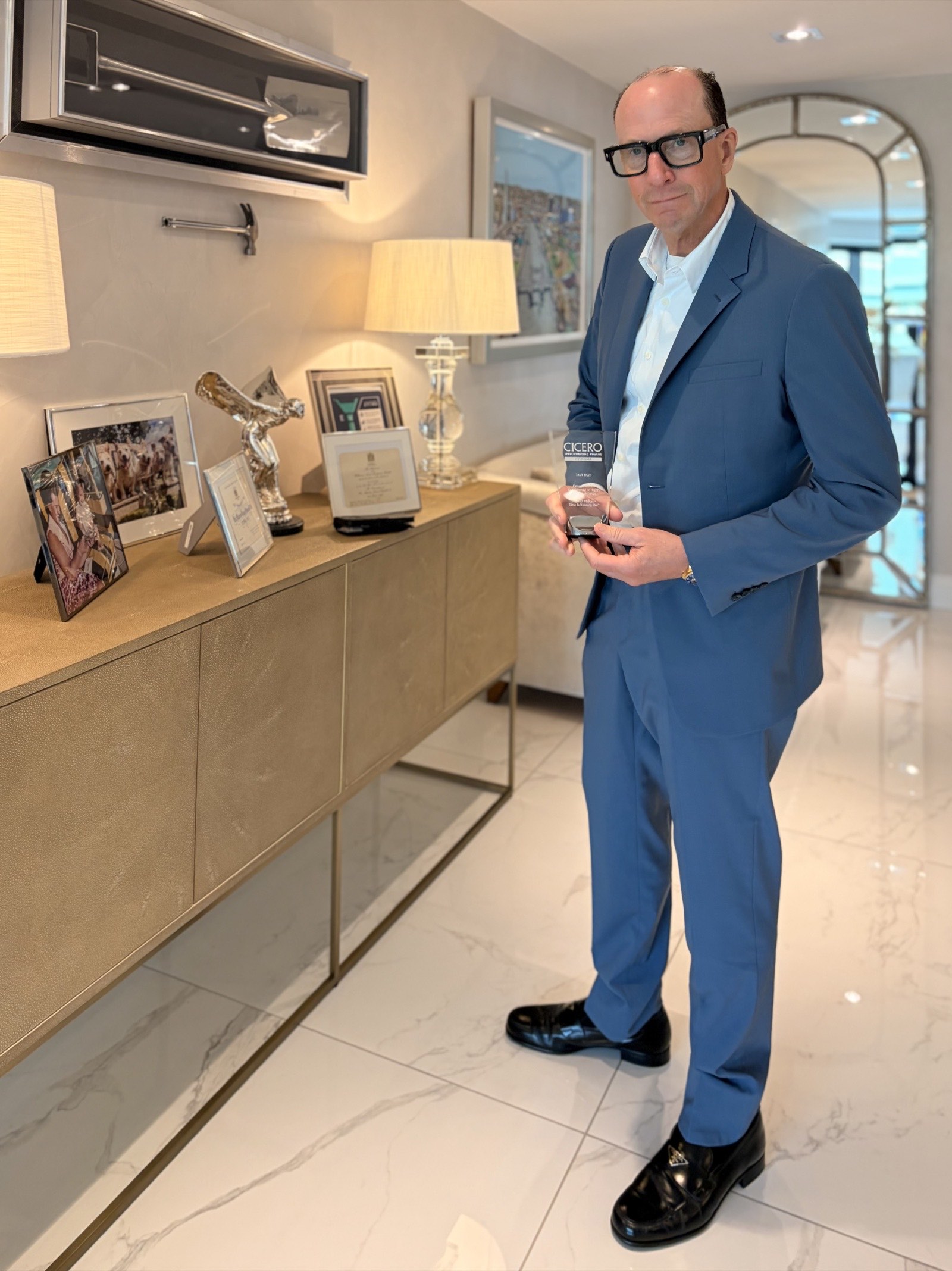
A decades-long pursuit of answers in the 1969 kidnapping of his grandmother Muriel McKay, recognised with the 2025 Cicero Non-Political Speech Award.

07 · Muriel McKay
Muriel McKay was the wife of Sir Alick McKay, deputy chairman at News International and a close associate of Rupert Murdoch. In 1969 she was taken from the family home in Wimbledon, mistaken for Murdoch's wife. Her body has never been found.
Mark Dyer has led the investigation since November 2021, honouring a promise made to his grandfather at eighteen, in the closing days of the Falklands War, that he would take the case up if the chance ever came. He has since traced the kidnappers, interviewed the surviving member of M3, and followed the Israeli connection to Mr Chapman of Bethnal Green Road.


08 · Gallery









09 · In Conversation
We acquire companies. That is the whole of the business.
How we find them is the unusual part. We write letters, and have done since 1994; last year the office posted 1.25 million of them. Outside the banks I would be surprised if many organisations in Britain send more.
Then we let the phone ring. There is no cold-calling here. Owners get in touch when their own circumstances change, on their timetable, and by then they already know the name.
The calls that still catch me out are the inherited ones. Somebody rings to say a relative has left them a company — and that the relative’s standing instruction, set down years earlier, was to contact The Hacking Trust when the day came.
It is the vehicle we buy through, incorporated in 1997.
The method is patience. We write to the owners on our database and then we wait for them to come back. Few reply inside a month, or a year. We still take calls off letters posted more than twenty years ago — people file them away, then something changes and the letter comes back out of the drawer.
That only works because nothing about us has moved in thirty years: same name, same offer, same terms. We have become a known quantity, and the business now grows off the back of that.
Old family firms, mostly. Second generation, third, occasionally fourth.
The owners who write to us tend to be in one of three positions. They have inherited something they never asked for. They have no relationship with the business and no appetite to run it. Or they have simply had enough.
What they share is a trap: there is no open market for shares in a private limited company. You can own something genuinely valuable, have no way of converting it into money, and nobody obvious to ask. We offer a route out where there usually isn’t one.
We normally take 50% or more. We are flexible on structure, and because the legal team sits in-house we are not waiting weeks on outside solicitors.
What earns a yes is value other people have walked straight past. Inherited companies in particular are undervalued by the very people who own them, because they have only ever thought of the thing as an obligation rather than an asset.
The Randolph side of the family put their name to the bonded edge, aviation fire-suppression systems, match-making machinery, ceremonial swords, garden tools — a long list over a long stretch of years.
I have always been pulled the same way. Stingblade is the first idea I have carried all the way to a finished product, and it will not be the last; there are others I intend to get to.
They all begin identically. I wanted the thing, it did not exist, so I made it. That is the entirety of inventing. Anyone can do it and more people should — the world ends up with more useful objects in it.
Recycled material because there is no sense in putting fresh plastic into the world to solve a problem the sea already has. We could recycle, so we did.
England because it is a British-designed product and I wanted it built here as well. Buyers notice that. This country used to make excellent things, and some of that is worth getting back.
Be up early. Stay fit. Leave substances alone — all they ever do is let you believe you are doing well. Hold a level view of everything, your own results included.
And accept that nothing beats work. Not contacts, not cleverness, not timing. Hours of it, consistently, over years. That is the whole method.
More comfortably than people expect.
The office is built for investigation. We examine companies, assets, ownership and paper trails every day of the week — finding what is buried in a set of records is the job. Turning that on a case almost sixty years old is a change of subject, not of method.
Beyond that there is no real choice in it. The mission gets finished. The full account is at murielmckay.com.
I am not a natural speaker and would not pretend otherwise. What I had to say that day mattered to me, and an audience can always tell the difference between somebody performing and somebody who means it.
The one technique I use came from a professional presenter: do not address the room, address one person at a time.
We want owners who would sell if they could — private companies with no buyer in sight and no market for their shares. That gap is precisely why we exist.
We are straightforward to deal with. We do not demand the warranties and guarantees a trade buyer would insist on, which is unusual and removes most of the pain. And with the legal team in-house, matters move quickly.
If that describes your position, contact the office. The conversation costs nothing.
10 · Contact
For enquiries regarding Mark Dyer investment, venture capital mandates or an approach to The Hacking Trust PLC.
chelsea@lombardwharf.net